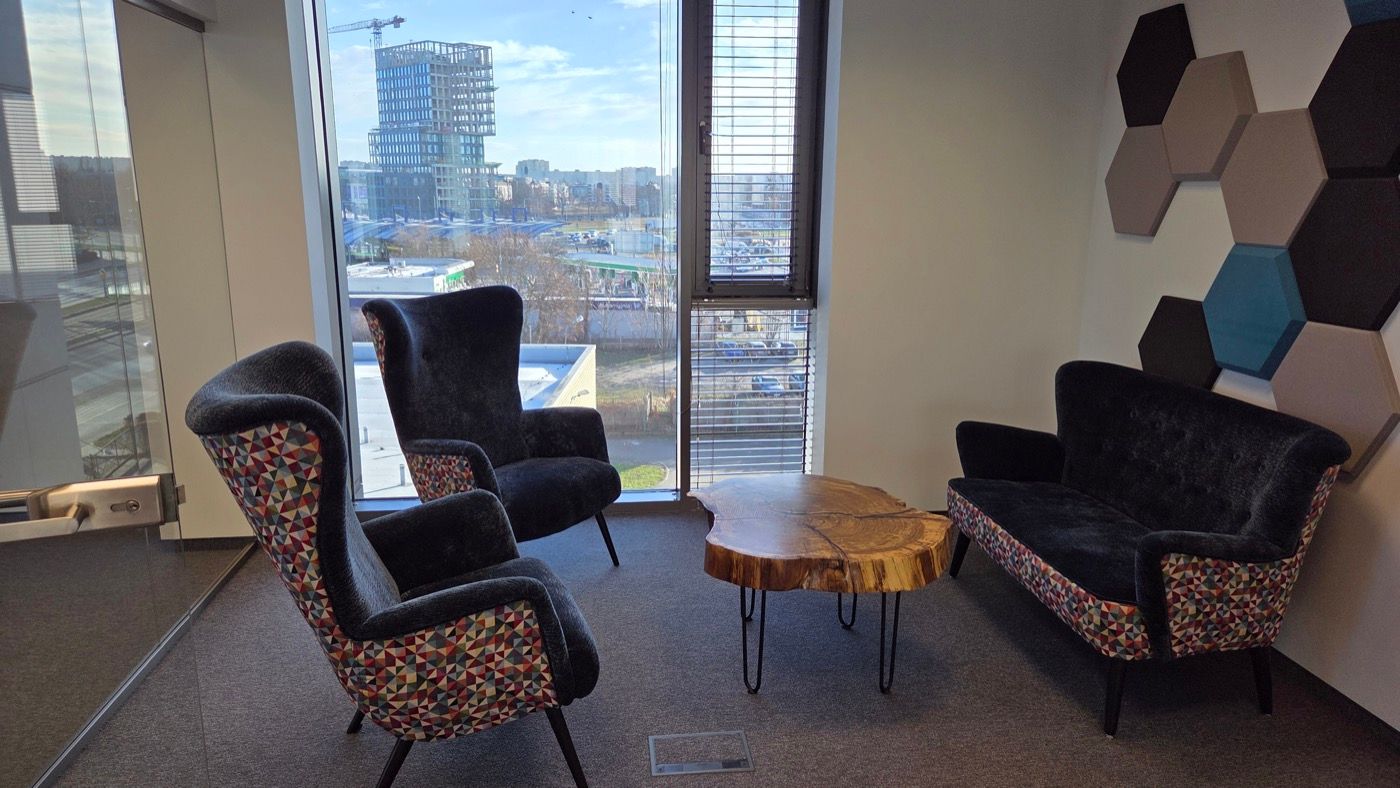
Upholstery cleaning (spray extraction)
Spray extraction cleaning removes what a vacuum cleaner cannot from chairs, armchairs and sofas: dust trapped deep in the fabric, sweat, greasy handprints, coffee stains and dust mites. A cleaning solution is injected into the fabric and immediately extracted together with the dissolved dirt, so the upholstery is left damp, not wet. Businesses use this method to clean furniture in offices, conference rooms, hotels, cinemas and plant staff rooms. We clean furniture upholstery by spray extraction. We work 365 days a year, around the clock. We serve plants and warehouses in the Greater Poland, Lubusz and Lower Silesian voivodeships.
At a glance
- We serve plants and warehouses in the Greater Poland, Lubusz and Lower Silesian voivodeships.
- We work 365 days a year, around the clock.
- We hold public liability insurance of PLN 1 million with Allianz, per occurrence and in the aggregate.
- Most enquiries start with a phone call, and we book a site survey straight away.
- We clean furniture upholstery by spray extraction.
- We clean office and conference chairs, armchairs, sofas and pouffes, cinema and auditorium seats, and upholstered church pews.
Who it is for
- Offices and office buildings — swivel chairs, armchairs and sofas in meeting areas and receptions.
- Conference rooms, training rooms and conference centres.
- Hotels, guesthouses and other accommodation — armchairs, restaurant chairs, headboards.
- Cinemas, auditoriums, theatres and performance venues with upholstered seating.
- Production plants and logistics centres — staff rooms, canteens, duty rooms and offices next to the shop floor.
- Parishes — upholstered pews and kneelers in churches.
How spray extraction cleaning works
Spray extraction combines two actions in a single pass: a nozzle injects a warm or hot cleaning solution into the fabric, and the upholstery tool immediately draws it back out together with the dissolved dirt. The temperature and the product are chosen to suit the fabric. Water does not stay in the furniture, so after cleaning the fabric is damp rather than wet and the foam underneath does not get soaked. This is what sets extraction apart from wet brush cleaning and foam cleaning, which mainly remove surface dirt.
Preparation determines the result. The upholstery is first vacuumed thoroughly, because wet dust turns to mud in the fabric. Then a stain remover is applied to the most soiled areas — armrests, seat edges, headrests — and given time to work. Finally the fabric is rinsed with clean water or a mild solution: detergent left in the fabric becomes sticky and attracts dirt, so the furniture gets dirty again sooner.
- Inspection — fabric type, manufacturer’s labels, stains, worn areas and damage.
- A test of the product on a small, hidden area of fabric.
- Thorough vacuuming of the upholstery, seams and the gaps between seat and backrest.
- Pre-treating stains with products matched to the type of stain.
- Spray extraction — injecting the solution and extracting it immediately.
- Rinsing and an extra pass with suction only, to recover as much water as possible.
- Brushing the pile, airing and drying.
- We clean with professional spray extraction cleaners fitted with a hand-held upholstery tool, and remove stains beforehand with stain removers matched to the type of soiling.
- Before cleaning, we check the fabric type and the furniture manufacturer’s recommendations, and test the product and method on a small, hidden area.
The fabric determines the method
One method does not suit every piece of furniture. Synthetic fabrics cope well with extraction, wool needs mild chemicals and a lower temperature, plant fibres discolour and shrink easily, and leather is not extraction-cleaned at all. The furniture label or the manufacturer’s technical data sheet tells you the fabric type; if there is none, a test on a hidden area decides.
For hotel, cinema and conference furniture, colourfastness matters too. Solution-dyed fabrics cope well with cleaning, but prints and contrasting patterns can bleed — they are then cleaned with a cooler solution and less water.
| Material | How it is cleaned | What to watch out for |
|---|---|---|
| Synthetic fabrics (polyester, polypropylene, polyamide) | Spray extraction with a warm solution | The most durable; greasy stains bond strongly to polypropylene |
| Microfibre and synthetic velour | Extraction with little water, brushing the pile afterwards | Cleaning too wet and rubbing leave streaks and crushed pile |
| Wool and wool blends | Lukewarm solution, a product with a near-neutral pH | High temperatures, strongly alkaline products and rubbing cause felting and shrinkage |
| Cotton, linen, viscose | Only after a test, with little water and quick drying | Discolouration, water marks, shrinkage; some of these fabrics are suitable for dry cleaning only |
| Genuine and faux leather | Not cleaned by extraction — it is cleaned with a leather cleaner, and genuine leather is also conditioned | Water gets into seams and perforations, and the leather hardens and cracks |
- We do not clean genuine or faux leather furniture by extraction — we clean it with leather care products and also condition genuine leather.
Stains: what comes out with cleaning and what needs stain removal
Most soiling on business furniture is a mix of dust and skin grease that builds up on armrests, headrests and seat edges. It comes out with cleaning and stain pre-treatment. Harder to remove are old stains, stains set by heat or by earlier cleaning attempts, and dyes — ink, marker, red wine.
Cleaning does not restore colour to fabric faded by the sun and does not repair worn areas. Stains whose removal cannot be guaranteed are best pointed out and discussed before cleaning, not after.
| Soiling | Where it appears | How it is removed |
|---|---|---|
| Dust, crumbs, animal hair | All furniture, especially seating in meeting rooms and cinemas | Thorough vacuuming before cleaning — wet dust turns to mud in the fabric |
| Sweat, greasy marks, cosmetics | Armrests, headrests, seat edges | A stain remover for greasy soiling, then extraction |
| Coffee, tea, wine, juice | Conference rooms, hotels, offices | A stain remover for plant-dye stains; the older the stain, the lower the chance of removing it completely |
| Sugary drinks, ice cream | Cinemas, auditoriums, staff rooms | Cleaning with thorough rinsing — sugar left in the fabric becomes sticky and attracts dirt |
| Blood, vomit, urine | Hotels, cinemas, staff rooms | An enzymatic product and a cool solution — hot water sets the protein and fixes the stain; if there is an odour, also disinfection or ozone treatment |
| Ballpoint pen, marker, ink | Offices, training rooms | Spot treatment with a solvent, after a test; it cannot always be removed completely |
| Wax, chewing gum | Cinemas, churches | Chilling and removing it mechanically; any residue with a solvent or with heat through blotting paper |
Drying, fabric protection and odours
Drying time depends on the fabric, the thickness of the foam, the temperature and the airflow. Well-extracted chair upholstery in a warm, ventilated room dries in a few hours; a thick sofa or armchair in a cool room takes longer, often until the next day. Open windows, heating and drying fans aimed at the furniture speed up drying. Damp upholstery should not be covered with plastic sheeting or used until it is dry — damp fabric picks up dirt faster, and soaked foam starts to smell musty.
After cleaning, the upholstery can be treated with a fabric protector. It forms an invisible layer on the fibres that slows down the absorption of spilt drinks and makes fresh stains easier to remove — useful in conference rooms, hotel restaurants and cinemas.
If the smell of tobacco smoke, damp or animals is not only in the fabric but in the whole room, cleaning alone is not enough. It is then combined with ozone treatment of the room, which also reaches curtains, carpets and the gaps in the furniture.
- We schedule cleaning for evenings, weekends or days off, so that the upholstery is dry before staff and guests return.
- Drying time depends on the material. When furniture has to be back in use quickly, we speed up drying.
- At the client’s request, after cleaning we treat the upholstery with a fabric protector that helps stop stains soaking in.
- When the smell of smoke, damp or animals stays in the room even after cleaning, we combine upholstery cleaning with ozone treatment.
Where and how often businesses have upholstery cleaned
How often depends on how many people sit on a piece of furniture and what they are wearing. An office swivel chair used by one person for eight hours a day gets dirty differently from an armchair in the boardroom, and a chair in a plant staff room differently from a sofa in reception. Between cleans, regular vacuuming of the upholstery and dealing with fresh stains quickly are enough.
| Site | What is cleaned | Typical frequency |
|---|---|---|
| Offices and open-plan areas | Swivel chairs, armchairs, sofas in meeting and reception areas | Once a year, reception sofas more often |
| Conference and training rooms | Conference chairs, armchairs | Once or twice a year |
| Hotels and guesthouses | Armchairs, restaurant chairs, headboards | Once or twice a year, and as needed after soiling |
| Cinemas, auditoriums, performance venues | Audience seating | Once or twice a year, out of season |
| Plants and logistics centres | Chairs in staff rooms, canteens, duty rooms and offices next to the shop floor | Twice a year — dust and oil from the shop floor transfer onto the upholstery |
| Churches | Pew seats, backs and kneelers | Every few years, ideally before major church holidays |
How much might it cost?
Our cleaning cost calculator works out an indicative price range for your floor area, with worked examples and the method behind them. The final quote always follows a site survey.
Open the calculatorChecklist: what to ask a contractor
Questions worth asking any cleaning company before you sign a contract, whoever you choose.
- Will the contractor check the fabric type and test the product on a hidden area before cleaning everything?
- What equipment and products does it use — and does it rinse the fabric after stain removal so that no detergent is left in it?
- How long will the upholstery take to dry, and when can the furniture be used again?
- Will the contractor tell you before cleaning which stains cannot be removed?
- Can it clean in the evening, at weekends or on days off, so that offices and meeting rooms stay in use?
- What is the contractor’s public liability insurance cover in case furniture is damaged?
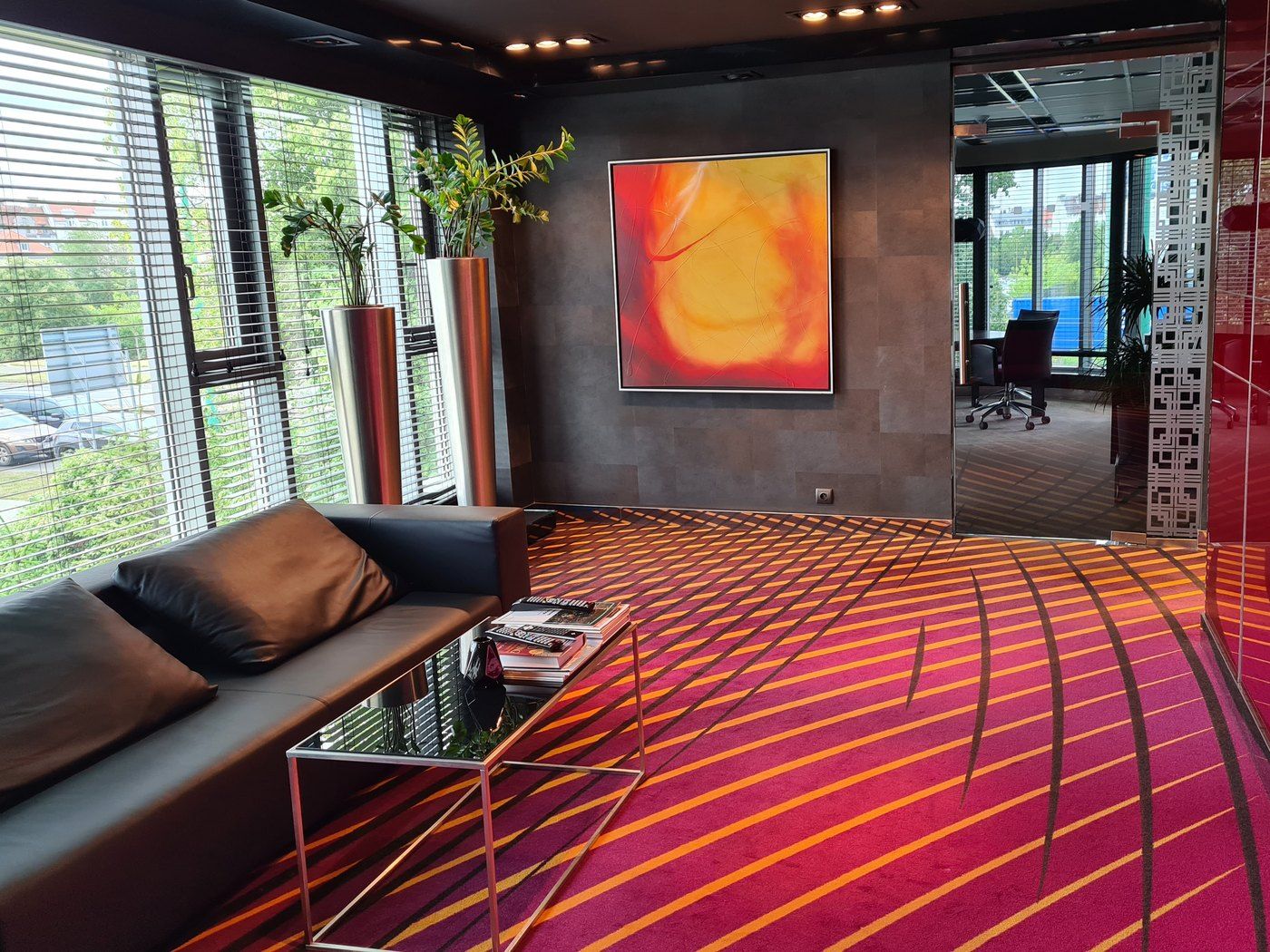
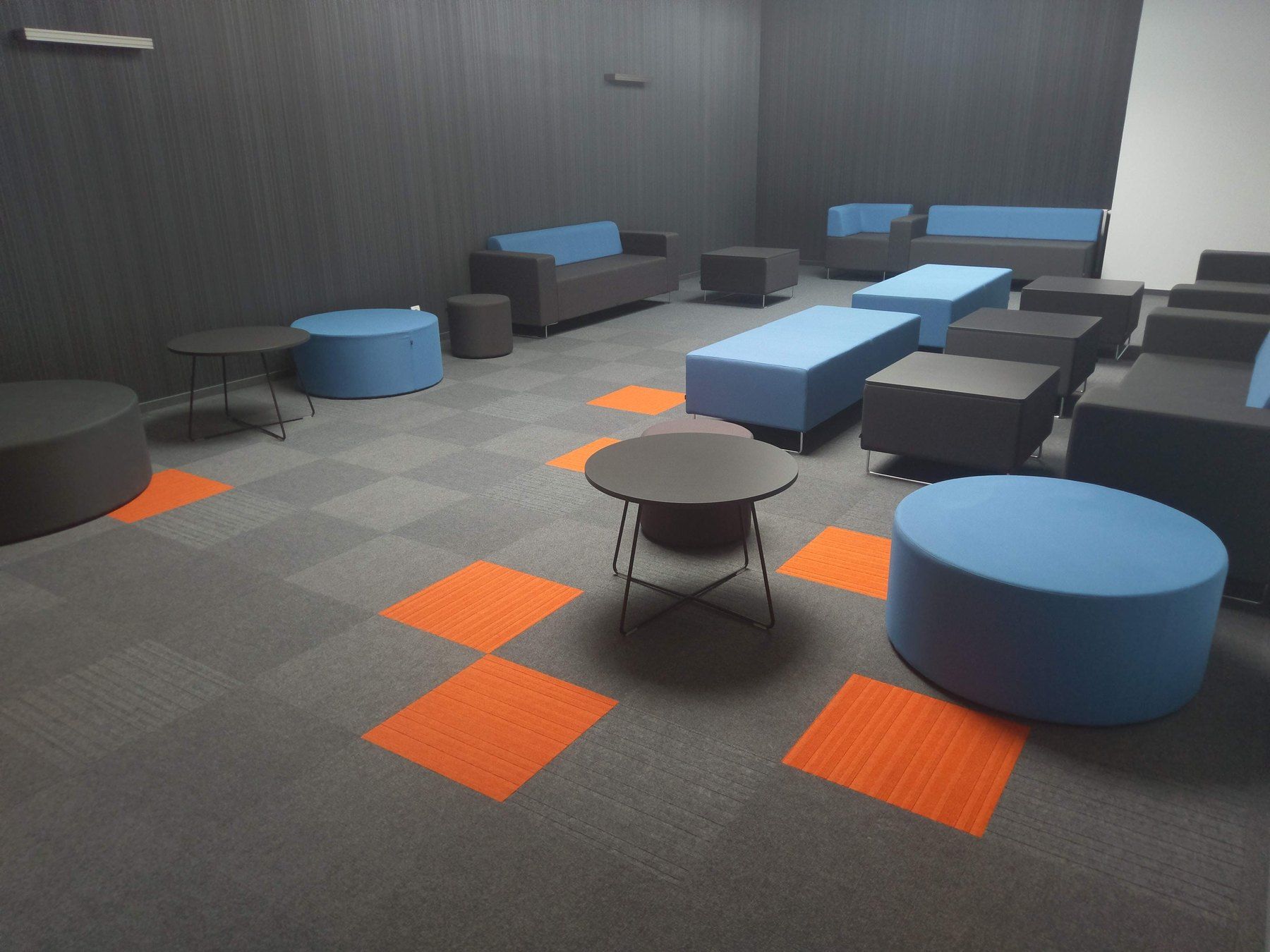
From our work
Does SARA SYSTEM clean furniture upholstery?
Yes. We clean furniture upholstery by spray extraction. We serve plants and warehouses in the Greater Poland, Lubusz and Lower Silesian voivodeships.
Can all upholstery be cleaned by spray extraction?
No. Genuine and faux leather is not cleaned by extraction — it is cleaned with leather care products. Fabrics made of cotton, linen and viscose also need care, as do fabrics the manufacturer has labelled dry clean only. That is why the fabric type is checked and a test is done on a hidden area before cleaning.
How long does upholstery take to dry after cleaning?
It depends on the fabric, the thickness of the foam, the temperature and the airflow. Thin chair upholstery in a warm, ventilated room usually dries in a few hours; a thick sofa takes longer, often until the next day. Thorough water extraction, ventilation and drying fans shorten the drying time.
How often should upholstery be cleaned in an office or hotel?
As a rough guide, once a year in offices and once or twice a year in conference rooms, hotels, cinemas and plant staff rooms — plus as needed after a spill or soiling. Between cleans, regular vacuuming of the upholstery and dealing with fresh stains quickly are enough.
Can you clean upholstery outside working hours?
Yes. We work 365 days a year, around the clock. We schedule cleaning for evenings, weekends or days off, so that the upholstery is dry before staff and guests return.
What public liability insurance does SARA SYSTEM have?
We hold public liability insurance of PLN 1 million with Allianz, per occurrence and in the aggregate.
Often ordered together
Integrated cleaning services
Contract cleaning of plants and logistics centres: buildings, offices, grounds, consumables. Two contract managers per client, 92% of revenue from long-term contracts.
Details Contract cleaningOffice cleaning
Regular cleaning of offices, office buildings and plant office areas: workstations, washrooms, kitchens, windows, consumables. 14,370 m² of offices under contract.
Details Specialist servicesOzone treatment and disinfection
Ozone treatment and disinfection of cold stores, warehouses, production areas and staff rooms in food and manufacturing plants. 14 ozone generators of various sizes.
Details Specialist servicesChurch cleaning
Cleaning of pew and kneeler upholstery, carpets and stone floors in churches, scheduled around services and holy days. Quote after a site survey.
DetailsIndustries
Automotive
Factory cleaning, press and paint line cleaning and floor deep cleaning in automotive plants, around production, shutdowns and IATF 16949 audits.
Logistics and warehousing
Warehouse cleaning, removal of forklift tyre marks, cardboard and film segregation, and snow clearance of access roads at logistics centres and warehouses.
Ask AI about your site
The AI assistant will read this page and the calculator, ask you about the scope you need (“Upholstery cleaning (spray extraction)”) and then, one question at a time, about your site — floor area, floor type, shifts, waste and site requirements. Finally, it will prepare a ready-to-send request for quotation with a list of open points.
- ChatGPT opens with a ready-made prompt (new tab)
- Claude opens with a ready-made prompt (new tab)
- Perplexity opens with a ready-made prompt (new tab)
Show the prompt
Help me prepare a request for quotation for industrial cleaning — topic: Upholstery cleaning (spray extraction).

First open and read these pages of the contractor SARA SYSTEM. Open them directly; do not rely on search results alone:
- https://www.sarasystem.pl/en/services/upholstery-cleaning/
- https://www.sarasystem.pl/en/cost-calculator/
- https://www.sarasystem.pl/llms.txt

Then interview me briefly about my site. Ask one question at a time, in English, and wait for my answer. Start by asking what exactly I need in terms of “Upholstery cleaning (spray extraction)”, then ask about the type of site and its floor area. Then ask in turn about:
1. the type of site and its floor area,
2. the floor type: bare, power-floated, sealed, painted or resin-coated concrete,
3. the soiling: tyre marks, oil, dust, old coatings,
4. the height of the building and the racking,
5. the number of shifts and whether the site keeps operating while the work is done,
6. how often the work is needed,
7. the scope: machine cleaning, high-level surfaces, washrooms, loading bays,
8. waste,
9. health and safety requirements, public liability insurance and site standards,
10. who provides the machines and chemicals,
11. the start date.
If I don't know something, record it as an open question.

About SARA SYSTEM, write only what is on these pages — do not add anything. Whatever the pages do not say, add to the questions for the contractor. If the calculator gives indicative costs, quote them as an estimate together with its assumptions.

Finally, write a ready-to-send email with the request to SARA SYSTEM (biuro@sarasystem.pl): the site parameters as bullet points and a list of open questions.
The conversation takes place in the tool you choose — we have no access to it. The assistant can make mistakes, so it is worth confirming the details with us directly.
A site survey as early as the same or the next day
We will come and look at your floors and zones, then prepare a work plan with a quote.