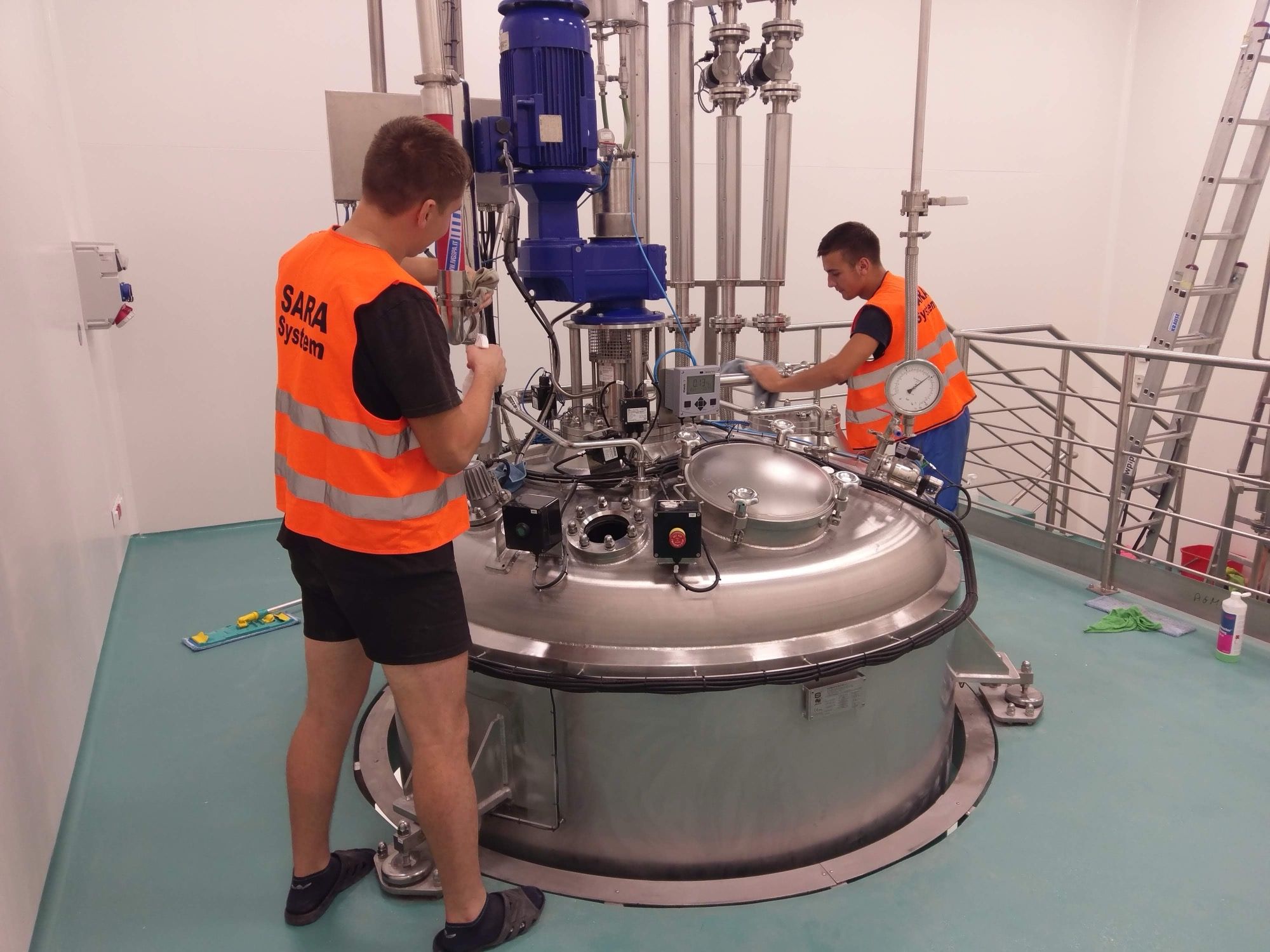
Machinery and production line cleaning
Machinery and production line cleaning removes oil, emulsions, dust, paint overspray and product residues from housings, conveyors and structures — so that the line goes back into production clean and with no risk to product quality. We prepare our teams for specific plants — among other things, we clean presses, paint lines and packaging machines during changeovers and shutdowns. We carry out work that requires a line to stop during production shutdowns, on non-working days and on public holidays.
At a glance
- We prepare our teams for specific plants — among other things, we clean presses, paint lines and packaging machines during changeovers and shutdowns.
- We carry out work that requires a line to stop during production shutdowns, on non-working days and on public holidays.
- Before we start, the team completes job-specific training at the client’s site: the plant’s health and safety rules, its zones and standards, such as 5S or HACCP.
- We work 365 days a year, around the clock.
- We hold public liability insurance of PLN 1 million with Allianz, per occurrence and in the aggregate.
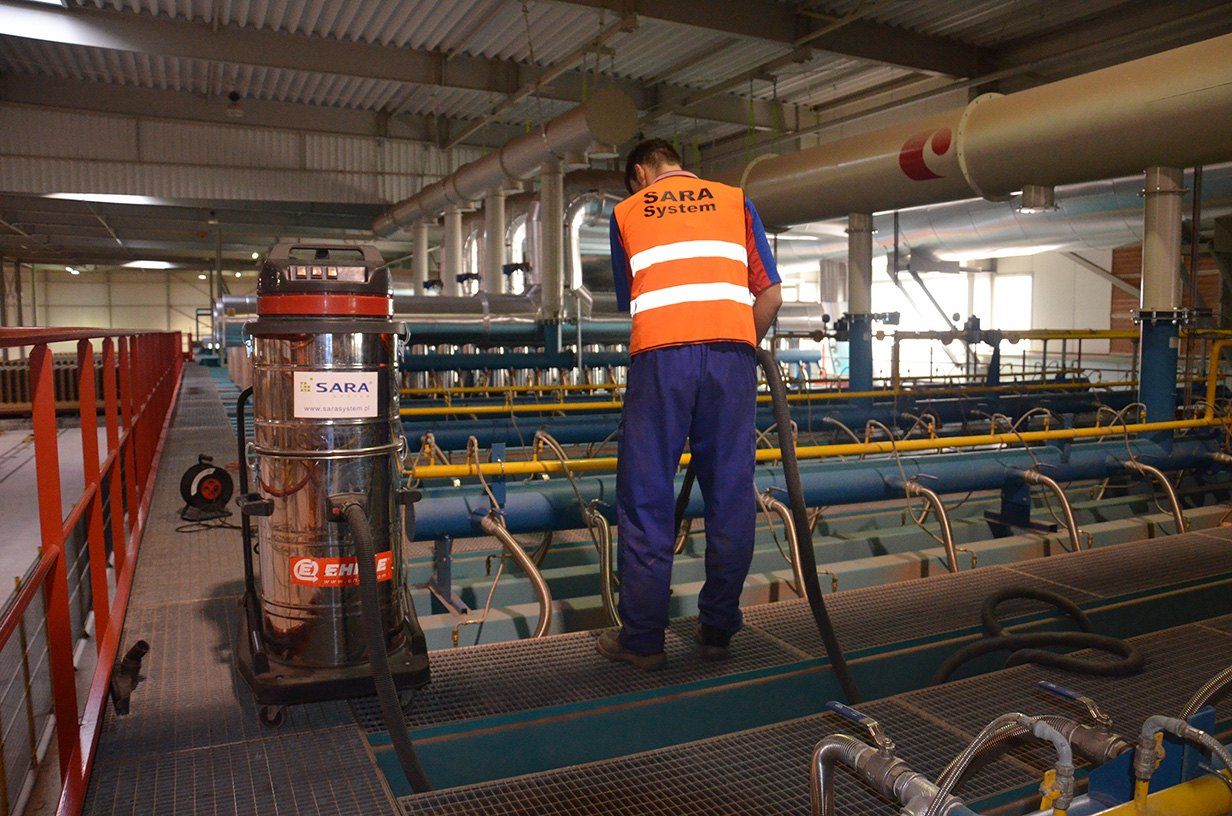
- We clean the external surfaces of machines, guards, belt and roller conveyors, platforms, swarf channels and structures above the lines.
Who it is for
- Automotive plants: press shops, paint shops, injection moulding, assembly lines and machining.
- Food plants and packaging manufacturers: conveyors, packaging machines, changeovers.
- Maintenance departments that want to hand over machine cleaning and focus on repairs.
- Plants preparing for a customer audit or a machine relocation.
When machines and lines are cleaned
A production line rarely stops, and every hour of downtime costs money. So machinery cleaning is planned into windows that open up anyway: planned shutdowns, changeovers, weekends and holiday breaks. We carry out work that requires a line to stop during production shutdowns, on non-working days and on public holidays.
Regular cleaning is not just about appearance. On a clean machine you can see leaks, loose guards and cracked hoses before they turn into a breakdown — which is why, under 5S, cleaning is also an inspection.
- A planned production or maintenance shutdown.
- A changeover or product change — in food plants, also an allergen changeover.
- Preparing for a customer audit or certification.
- After a leak, a breakdown or a flood.
- Before a machine is relocated or a new line is handed over.
Presses, paint lines, packaging machines
Each type of machine gets dirty in its own way and has its own spots the team must not miss. A press leaves hydraulic oil, grease and offcuts around the bolster and in the foundation pit; a paint line leaves overspray on gratings, booth walls and conveyor hangers; a packaging machine leaves cardboard dust, adhesive residues, bits of film and product.
That is why line cleaning starts with an instruction for the specific machine: what is cleaned, with what, in what order and what must not be touched. A team that knows the instruction and the plant will fit the work into a shorter changeover window than a crew seeing the machine for the first time.
| Machine | Typical soiling | What to watch out for |
|---|---|---|
| Presses and press shops | Hydraulic oil, grease, sheet metal offcuts, emulsion in the channels and foundation pit | Sharp edges on offcuts; oil in the channels needs absorbent, not just washing |
| Paint lines | Overspray on gratings, booth walls, hangers and guards; dust in the preparation area | Solvents and potentially explosive atmospheres; dust and fibres in the booth spoil the finish |
| Packaging machines and palletisers | Cardboard dust, adhesive residues, bits of film and tape, spilt product | In food plants — cleaning for allergens and foreign-body control before a product change |
| Conveyors and internal transport | Dust, grease on chains and rollers, packaging debris | Cleaning only with the drive stopped and locked off |
Machinery cleaning methods
The method is chosen to suit the soiling, how well the machine tolerates water and the length of the shutdown window. The same line may need several methods: vacuuming swarf, washing conveyors and spot-cleaning moulds.
Before the first clean it is worth checking the machine’s technical documentation. The manufacturer often states what must not be used on housings, seals and belts, and ignoring this can void the warranty. A well-prepared cleaning instruction lists, for each machine, the method, the product, the concentration and the parts the team must not touch.
| Method | Used for | Limitations |
|---|---|---|
| Manual cleaning with a degreaser | Housings, guards, platforms, panels | Labour-intensive; electrics have to be protected |
| Low-pressure foam | Conveyors and machines in food plants, large surfaces | Needs rinsing, and the machine must tolerate water |
| Pressure washer, steam | Greasy soiling, channels, structures, gratings | Water and spray around the machine; risk to bearings and electrics |
| Dry ice (CO₂) | Moulds, injection moulding machines, parts with electrics — without dismantling and without water | Noise, ventilation needed, cost of the ice and equipment |
| Industrial vacuuming | Swarf, grinding dust, granulate | With combustible dusts — ATEX-certified equipment only |
- We have ATEX-certified equipment for work in potentially explosive atmospheres.
- We clean machines and conveyors by hand and with low-pressure methods, using BUZIL degreasers matched to the type of soiling.
- We also clean machines and lines with dry ice.
Safety and cleanliness sign-off
A machine is cleaned only when it is stopped and made safe. The standard is the lockout/tagout (LOTO) procedure, also known as safe isolation: the maintenance team isolates the power and other utilities and fits a lock and tag, and the cleaning team does not start up or dismantle any equipment.
After cleaning, the line is signed off against a checklist by a person nominated by the plant — the shift manager, maintenance or the quality department. Only then are the locks removed and production restarted.
- Before cleaning, the plant’s maintenance team isolates and locks off the machine’s power supply (LOTO). Our staff do not start up or dismantle equipment.
- During changeovers and product changes, we clean the line against the plant’s checklist, and before restart it is signed off by a person nominated by the plant.
Checklist: what to ask a contractor
Questions worth asking any cleaning company before you sign a contract, whoever you choose.
- Who is responsible for isolating and locking off the machine (LOTO)?
- What method and chemicals will the contractor use — and does the machine manufacturer allow them?
- Will the work fit into the changeover or shutdown window — how many people and how many hours?
- Does the team know your machines, or will it be learning them during the first shutdown?
- Who signs off the line as clean before restart, and against what checklist?
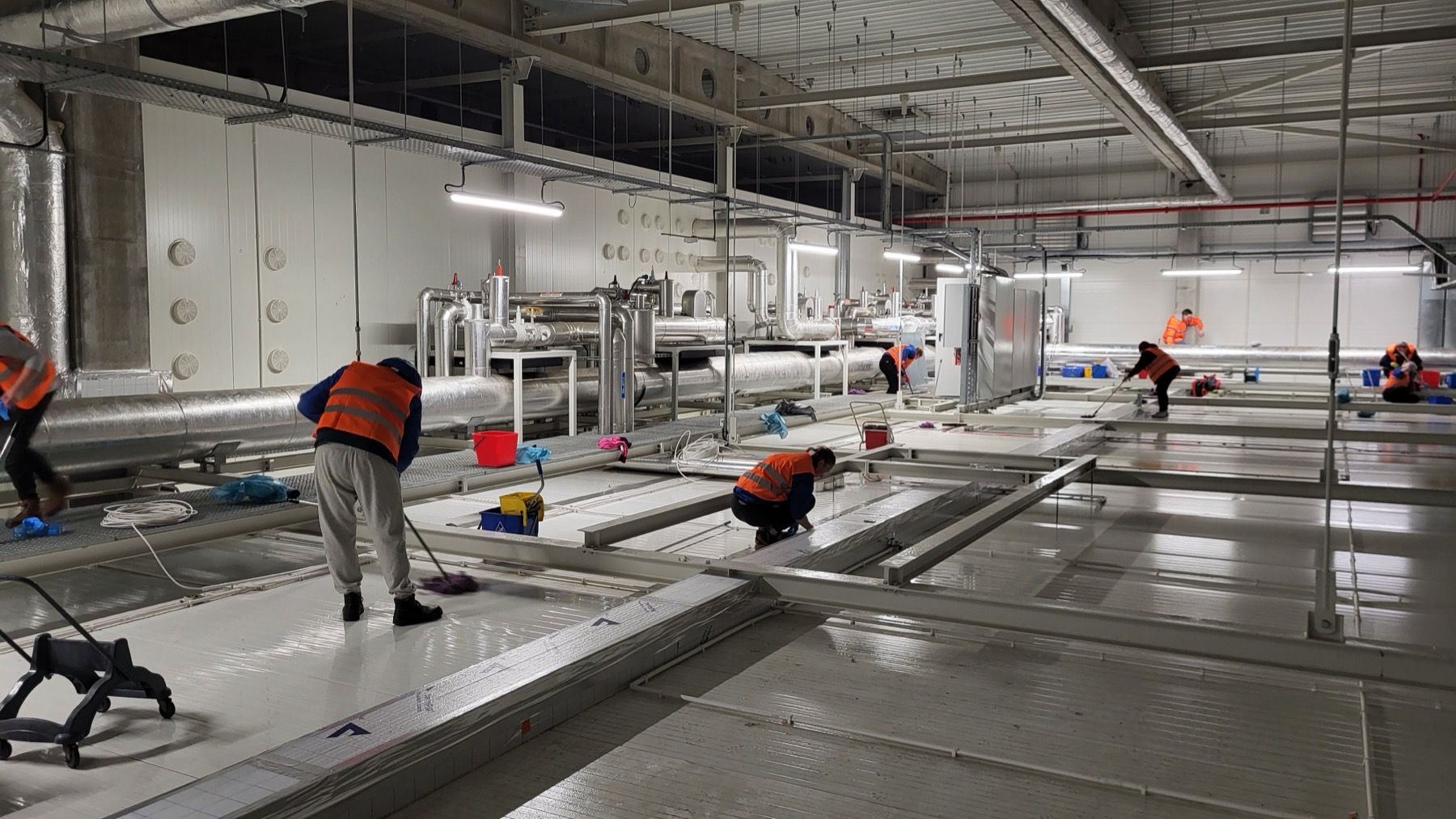
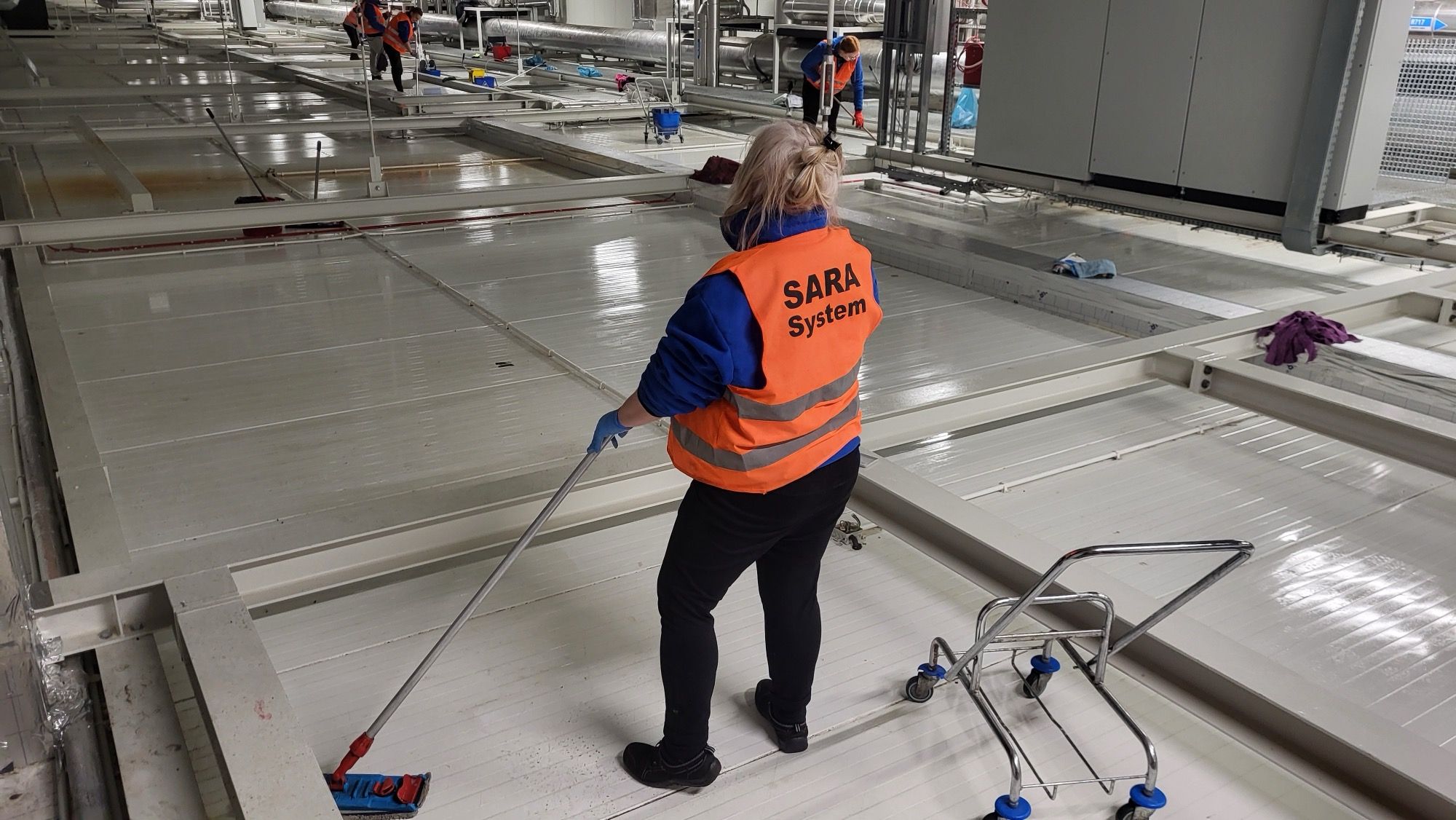
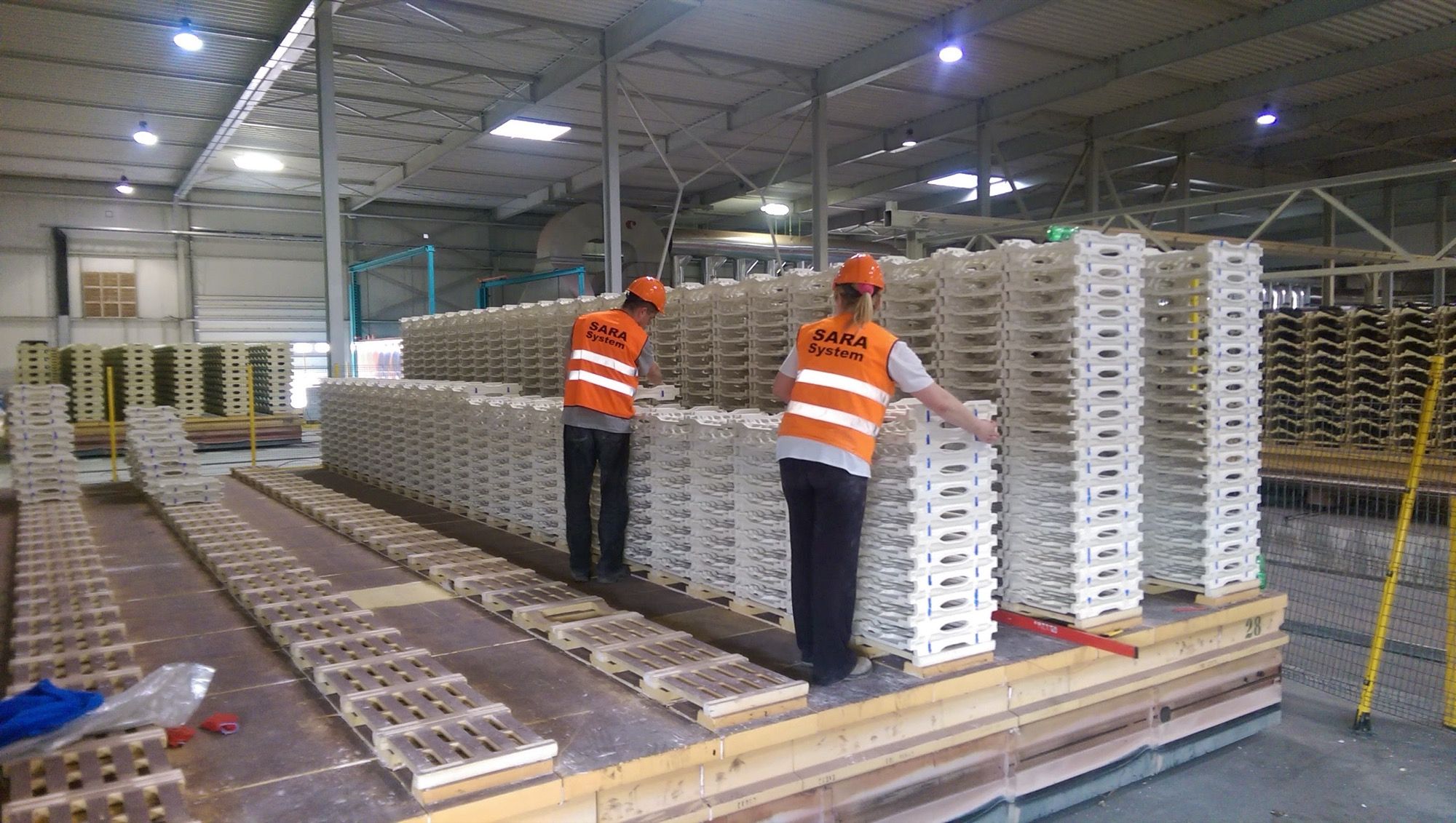
From our work
Which machines do you clean?
We prepare our teams for specific plants — among other things, we clean presses, paint lines and packaging machines during changeovers and shutdowns.
Do you clean machines while production is running?
No — a machine is cleaned when it is stopped and made safe. We carry out work that requires a line to stop during production shutdowns, on non-working days and on public holidays.
Is dry ice cleaning safe for electrics?
Dry ice leaves no water or abrasive behind, so it is suitable for cleaning parts with electrics without dismantling them — provided the power is isolated in line with the plant’s procedure and the room is ventilated, because sublimating CO₂ displaces air.
Can machine cleaning be part of an ongoing plant cleaning contract?
Yes. We plan machinery and line cleaning into the ongoing service schedule — in changeover and shutdown windows agreed with your maintenance team.
How much does production line cleaning cost?
The quote depends on the number of machines, the type of soiling, the method and the length of the shutdown window. We prepare it after a site survey with the line stopped.
Often ordered together
Integrated cleaning services
Contract cleaning of plants and logistics centres: buildings, offices, grounds, consumables. Two contract managers per client, 92% of revenue from long-term contracts.
Details Contract cleaningFactory cleaning
Factory cleaning around your shifts and shutdowns: floors, walkways, workstations, staff areas. Greater Poland, Lubusz, Lower Silesia. Questions to ask a contractor.
Details Specialist servicesOzone treatment and disinfection
Ozone treatment and disinfection of cold stores, warehouses, production areas and staff rooms in food and manufacturing plants. 14 ozone generators of various sizes.
Details Technical services and maintenanceRoutine maintenance support
Routine maintenance support in plants: scheduled tasks such as wear-part replacement, lubrication, ventilation cleaning and minor repairs. In-house machine servicing.
DetailsIndustries
Automotive
Factory cleaning, press and paint line cleaning and floor deep cleaning in automotive plants, around production, shutdowns and IATF 16949 audits.
Food industry
Cleaning and ozone treatment at food plants and food packaging manufacturers: hygiene zones, HACCP, allergens. An in-house HACCP auditor.
Ask AI about your site
The AI assistant will read this page and the calculator, ask you about the scope you need (“Machinery and production line cleaning”) and then, one question at a time, about your site — floor area, floor type, shifts, waste and site requirements. Finally, it will prepare a ready-to-send request for quotation with a list of open points.
- ChatGPT opens with a ready-made prompt (new tab)
- Claude opens with a ready-made prompt (new tab)
- Perplexity opens with a ready-made prompt (new tab)
Show the prompt
Help me prepare a request for quotation for industrial cleaning — topic: Machinery and production line cleaning.

First open and read these pages of the contractor SARA SYSTEM. Open them directly; do not rely on search results alone:
- https://www.sarasystem.pl/en/services/machinery-and-production-line-cleaning/
- https://www.sarasystem.pl/en/cost-calculator/
- https://www.sarasystem.pl/llms.txt

Then interview me briefly about my site. Ask one question at a time, in English, and wait for my answer. Start by asking what exactly I need in terms of “Machinery and production line cleaning”, then ask about the type of site and its floor area. Then ask in turn about:
1. the type of site and its floor area,
2. the floor type: bare, power-floated, sealed, painted or resin-coated concrete,
3. the soiling: tyre marks, oil, dust, old coatings,
4. the height of the building and the racking,
5. the number of shifts and whether the site keeps operating while the work is done,
6. how often the work is needed,
7. the scope: machine cleaning, high-level surfaces, washrooms, loading bays,
8. waste,
9. health and safety requirements, public liability insurance and site standards,
10. who provides the machines and chemicals,
11. the start date.
If I don't know something, record it as an open question.

About SARA SYSTEM, write only what is on these pages — do not add anything. Whatever the pages do not say, add to the questions for the contractor. If the calculator gives indicative costs, quote them as an estimate together with its assumptions.

Finally, write a ready-to-send email with the request to SARA SYSTEM (biuro@sarasystem.pl): the site parameters as bullet points and a list of open questions.
The conversation takes place in the tool you choose — we have no access to it. The assistant can make mistakes, so it is worth confirming the details with us directly.
A site survey as early as the same or the next day
We will come and look at your floors and zones, then prepare a work plan with a quote.