Integrated cleaning services for industrial sites
Integrated cleaning means one contractor looking after an entire site on an ongoing basis: production and warehouse areas and their floors, offices, staff facilities, the grounds around the plant and the supply of washroom consumables. We design, implement and run cleaning systems for production plants and logistics and warehousing centres. We serve 33 production plants and 5 logistics centres under ongoing contracts, and as much as 92% of our revenue comes from long-term contracts. Every client has two dedicated contract managers.
At a glance
- We design, implement and run cleaning systems for production plants and logistics and warehousing centres.
- We serve 33 production plants and 5 logistics centres under ongoing contracts.
- We look after 470,500 m² of production and warehouse space under ongoing contracts.
- As much as 92% of our revenue comes from long-term contracts.
- Our longest client relationship — 19 years so far — is with a client in the automotive industry. We serve three of its plants, which together employ about 5,700 people.
- Every client has two dedicated contract managers. They cover for each other, so during audits, holidays or sudden staff absence the plant is never left without supervision.
- We work 365 days a year, around the clock.
- Our 24/7 support team responds to every call-out immediately and decides straight away whether to send a mobile team to the site.
Who it is for
- Manufacturing plants working shifts that need cleaning planned around their shifts and shutdowns
- Logistics centres and warehouses with large floor areas and forklift traffic
- Plants that want to move cleaning from their own staff to a contractor with a single point of contact
- Companies with several sites looking for one contractor to cover all of them
- Sites where offices, staff facilities and green areas need looking after as well as production areas
What integrated cleaning covers
An ongoing service contract sets out what is to be cleaned, how often and at what times — and who is responsible for it. The scope is built around the rhythm of the plant, not a standard price list. A day in a building running three shifts looks different from one in a logistics centre with night-time dispatch.
Typical areas covered by an integrated contract:
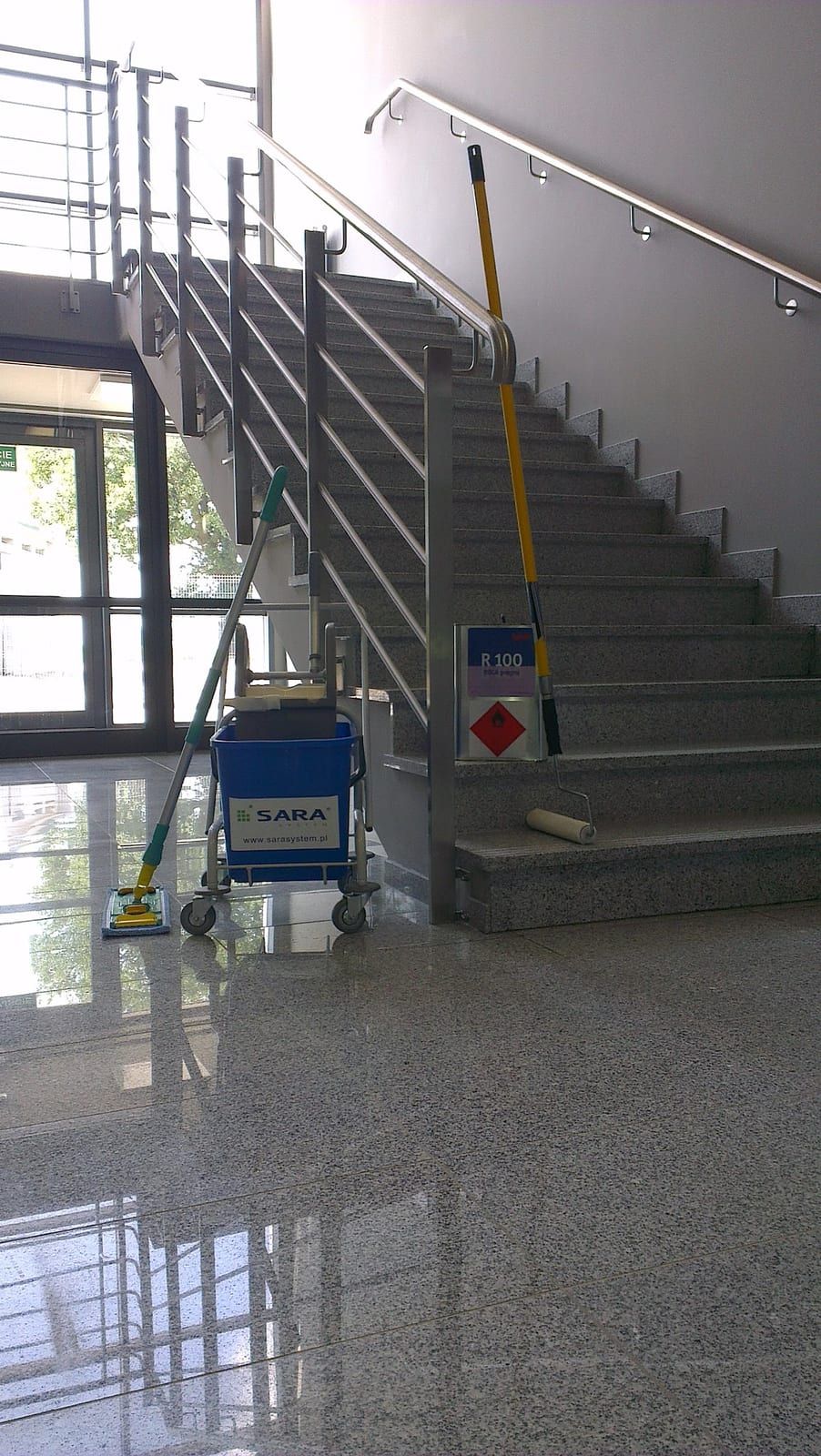
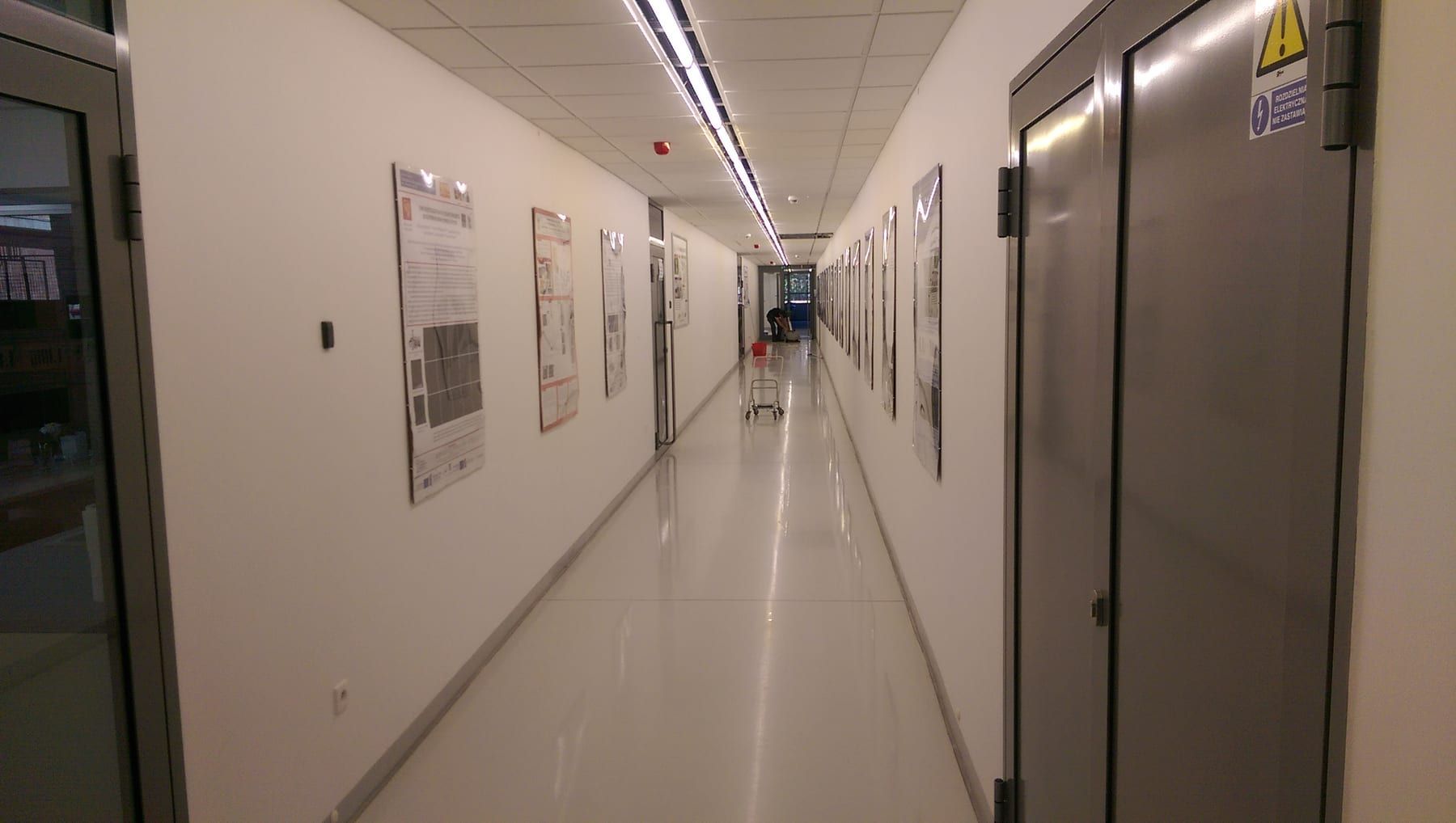
- production and warehouse areas — machine cleaning of floors, aisles and walkways, areas around workstations
- docks, loading bays and goods-handling areas
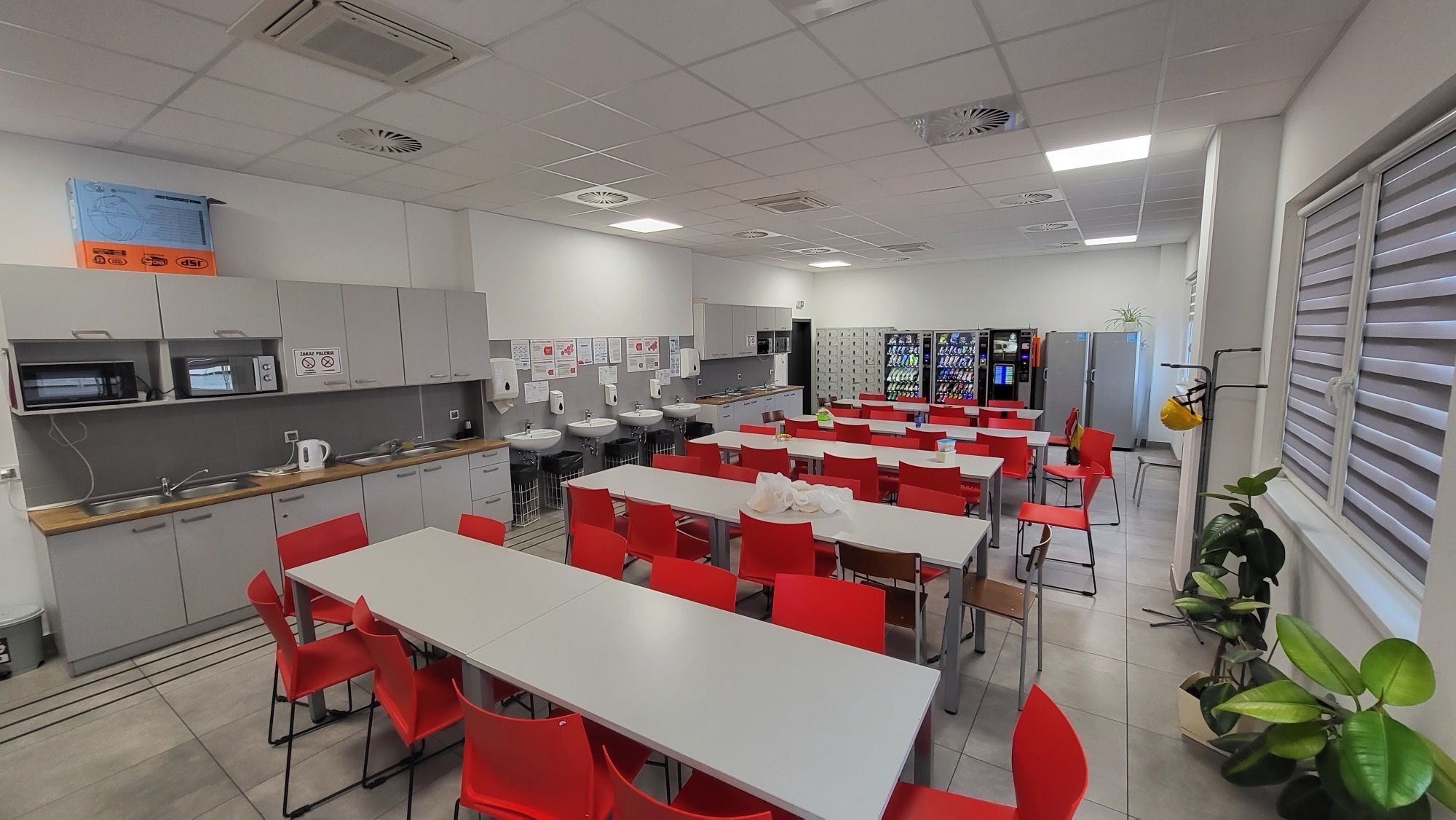
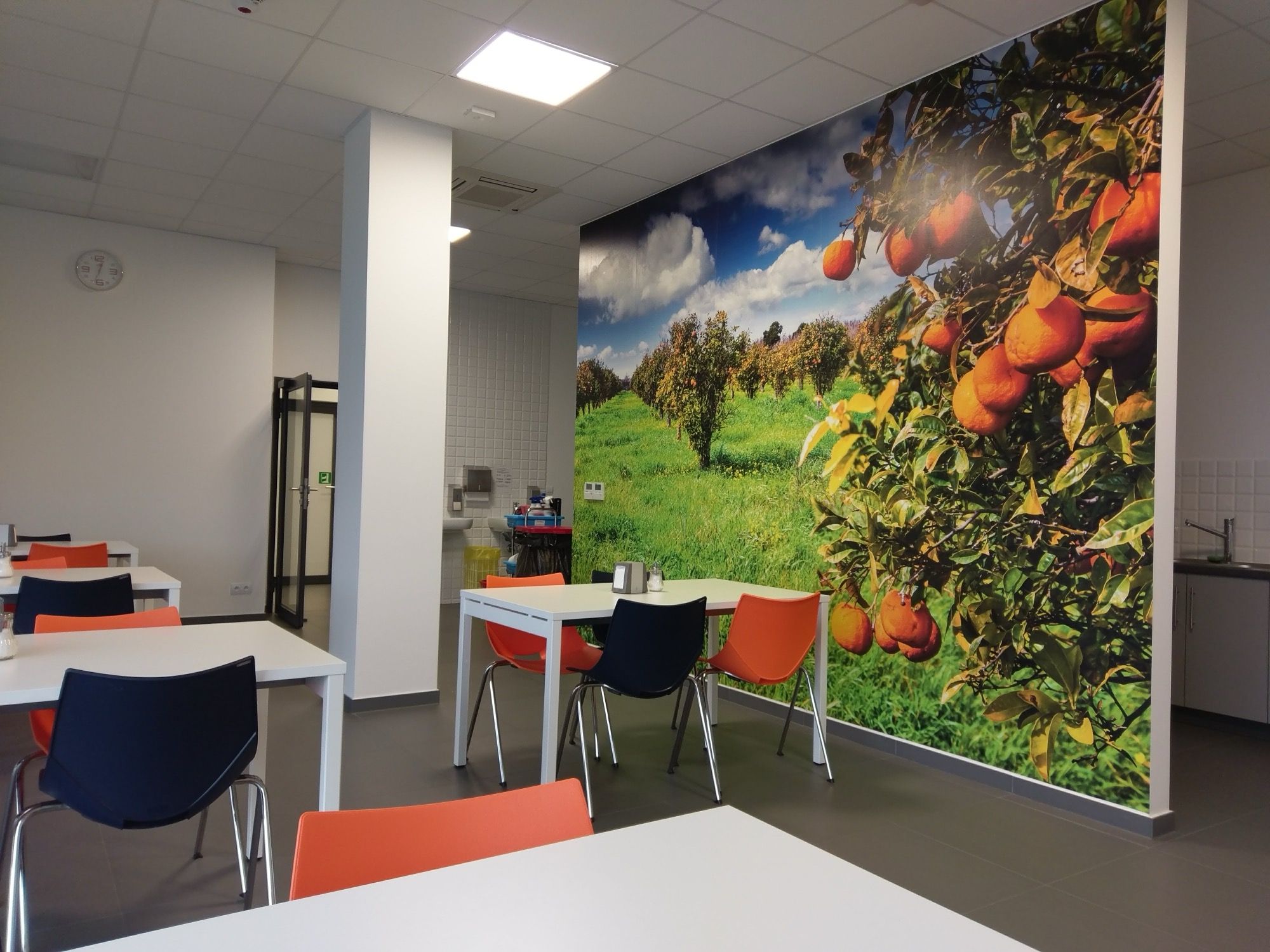
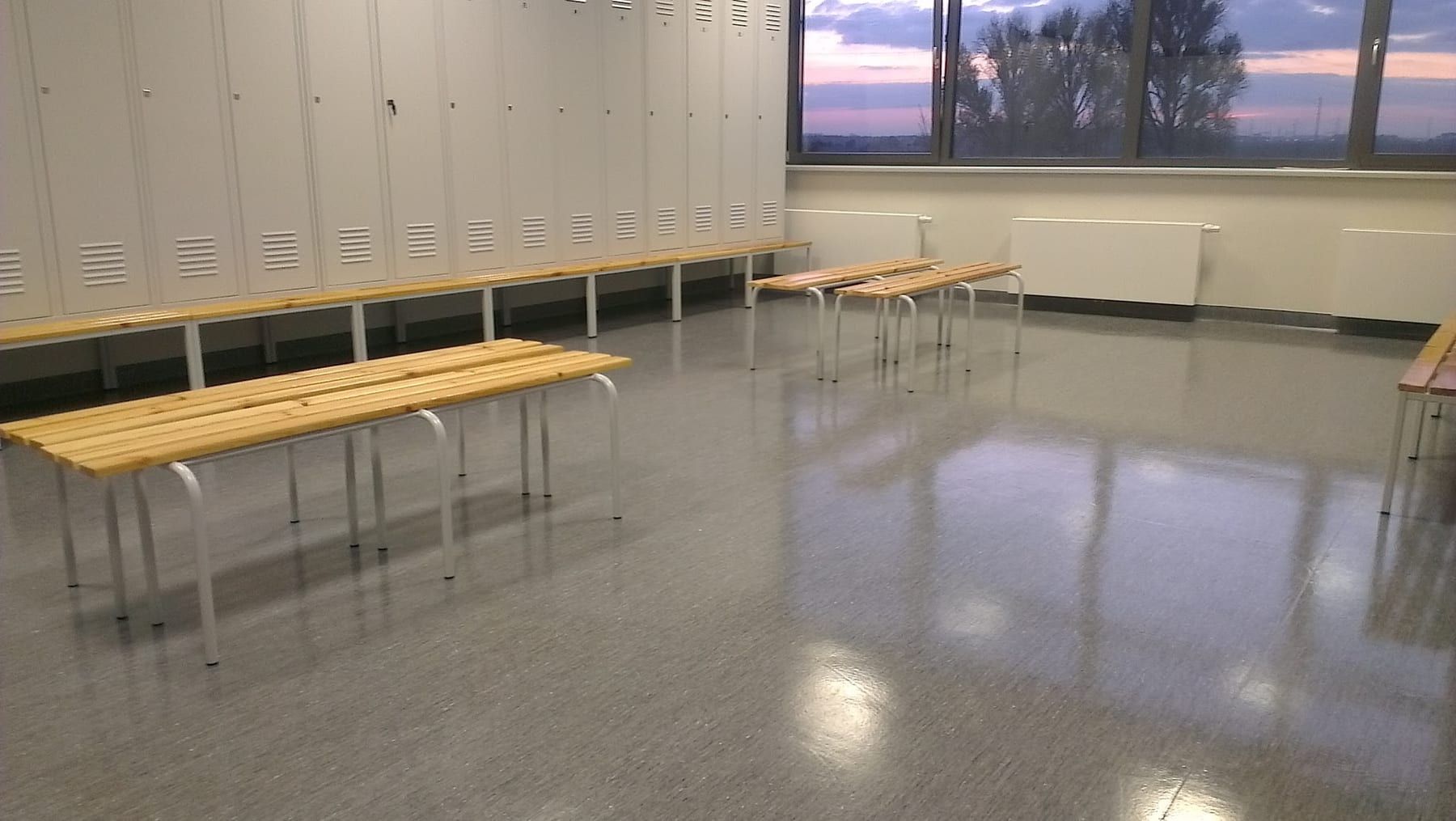
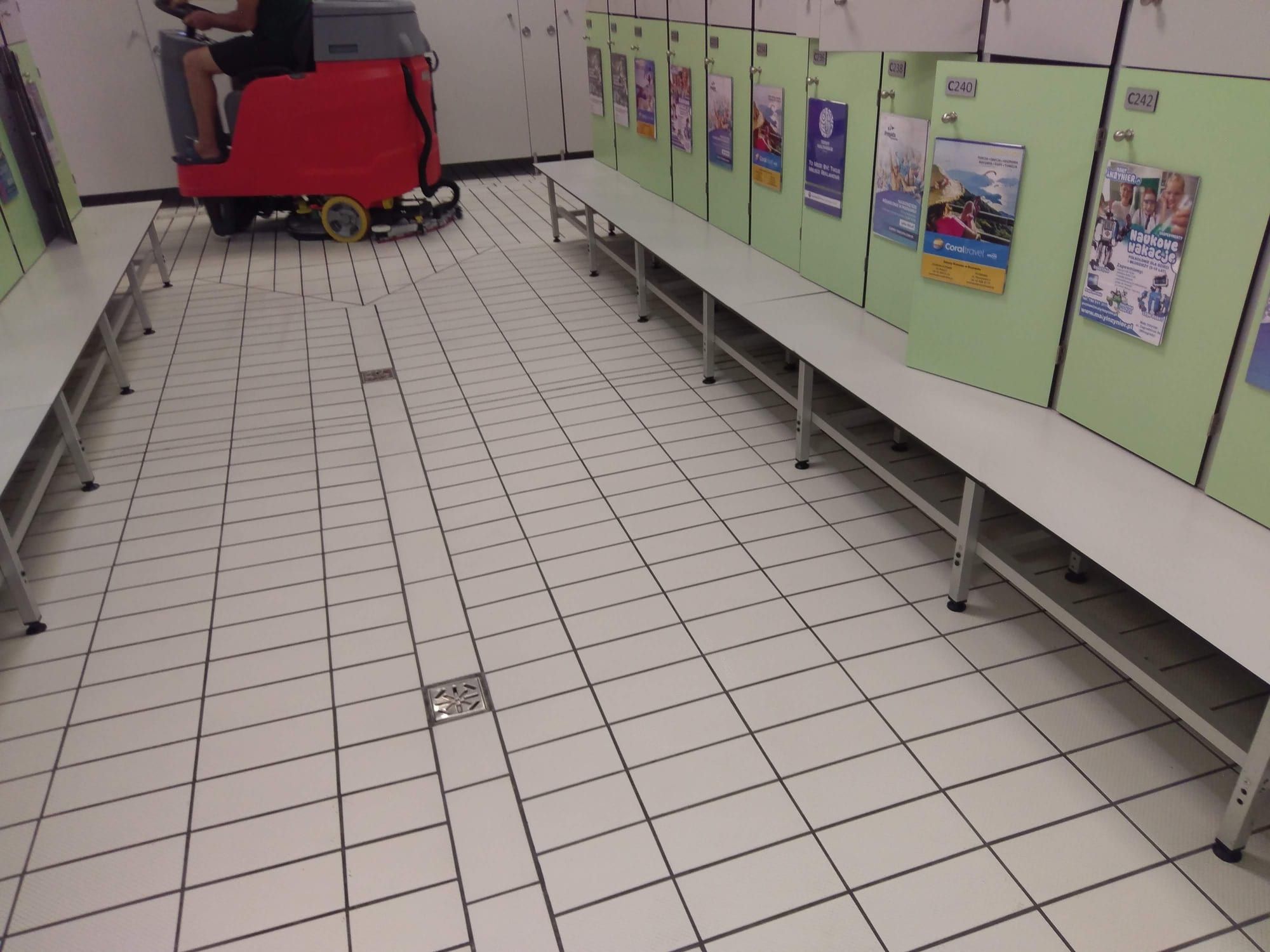
- staff facilities, changing rooms, canteens and washrooms
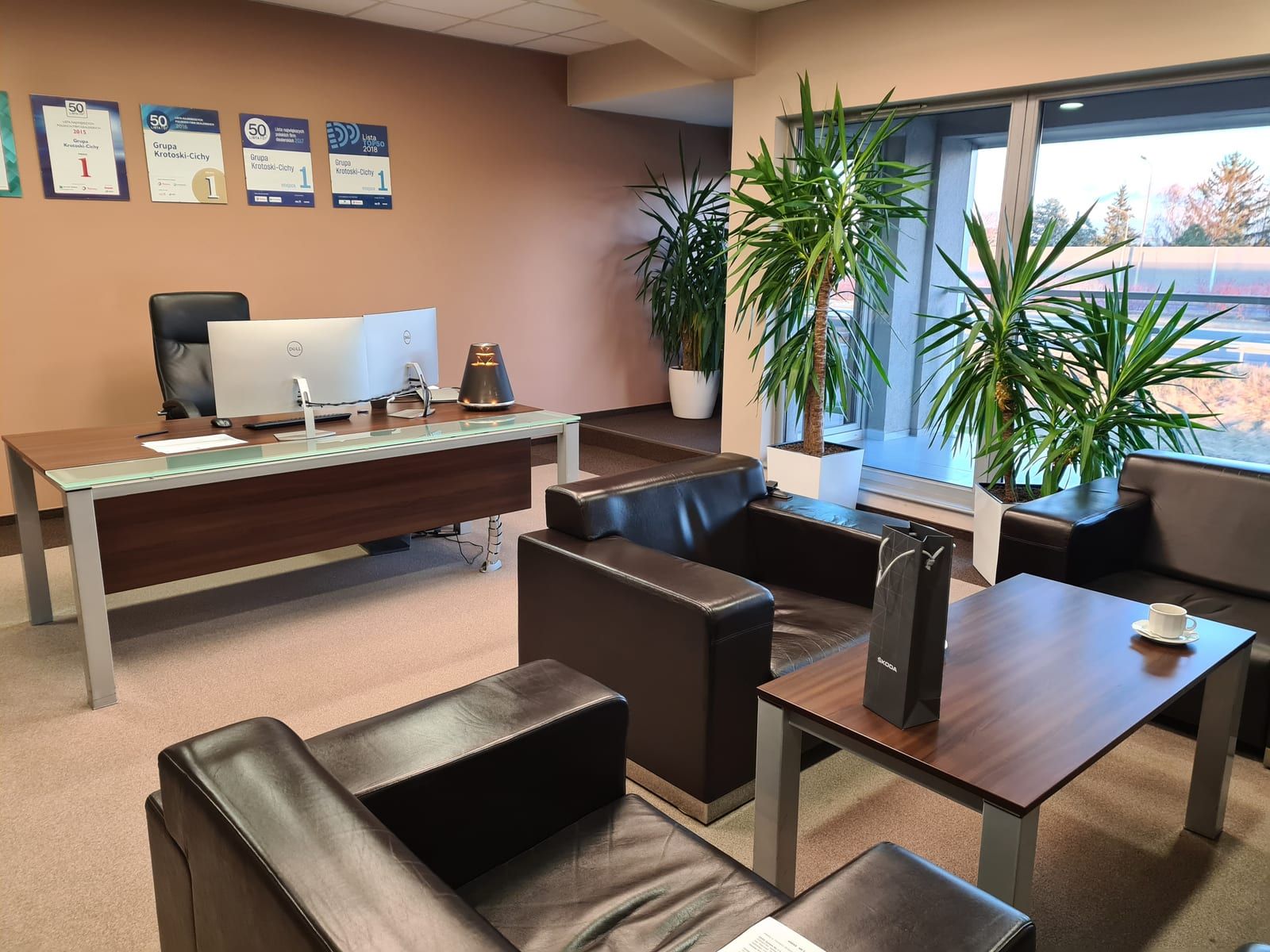
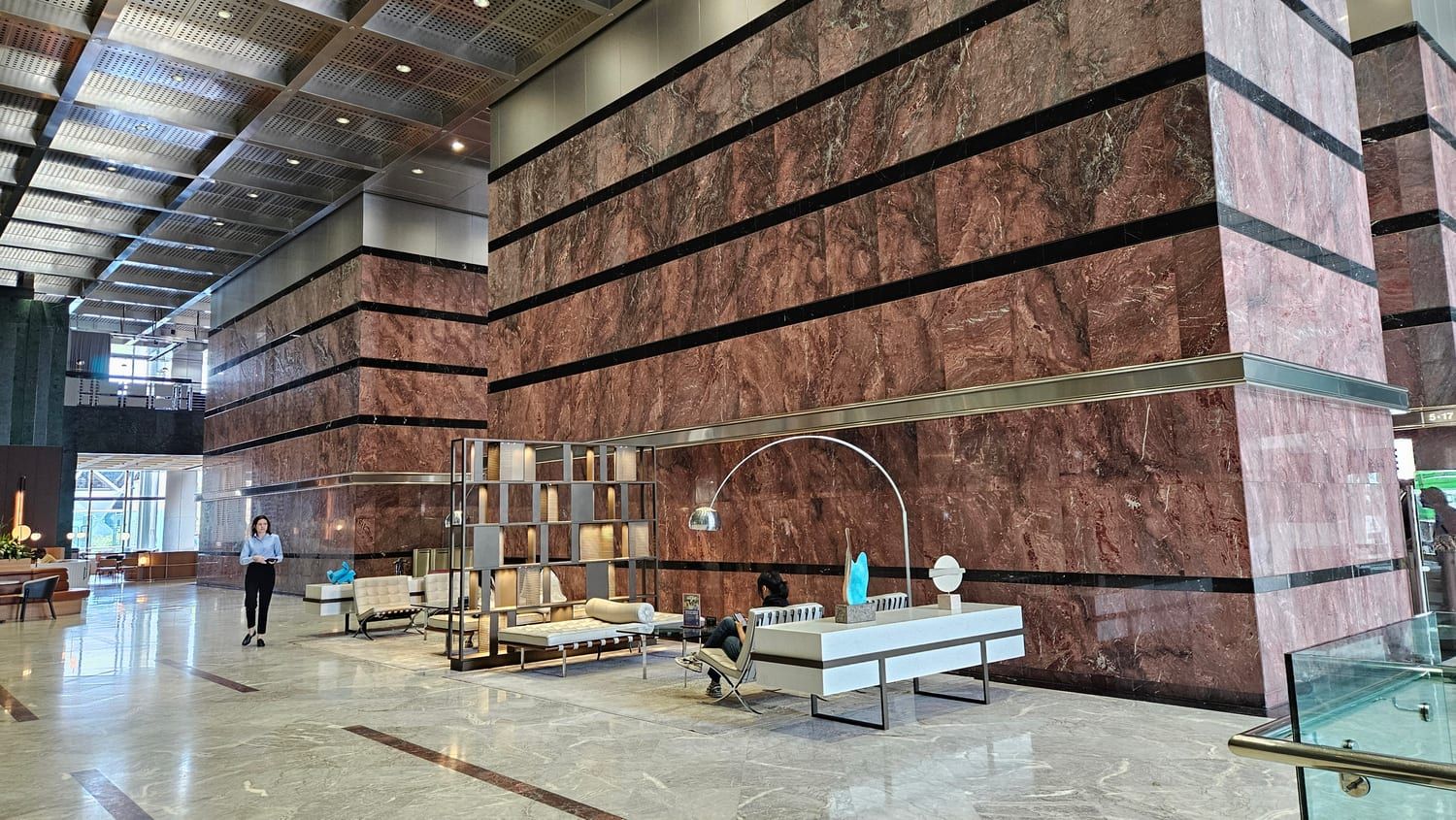
- offices and administrative areas
- external areas — yards, car parks, green areas, snow clearance
- supply of washroom consumables and cleaning products
- periodic work — floor deep cleaning and sealing, window and high-level cleaning
- We clean 14,370 m² of office space on an ongoing basis.
- We maintain 167,000 m² of green areas at the sites we serve.
- From the start, we have run our own warehouse of washroom consumables, from which we supply our clients — so even during the COVID-19 pandemic they had no interruptions in deliveries.
- In a single contract we combine daily cleaning of production areas, offices and staff facilities with machine cleaning of floors, grounds maintenance and the supply of washroom consumables.
- We offer washroom consumables in a choice of three quality tiers. We deliver them to the site and invoice monthly by usage, and after three months we can switch to a flat fee calculated from average usage.
- We assign machines and equipment permanently to the plant we serve and choose them with capacity to spare.
- We clean windows with an anti-soiling product that slows down the build-up of new dirt, and we disinfect sanitary fittings with a product holding a PZH hygiene certificate (Poland’s National Institute of Public Health).
How the contract gets started
Taking over cleaning in a running plant takes preparation — the team has to learn the areas, the health and safety rules and the shift pattern before it starts working on its own. A well-prepared proposal does not start with a price, but with a description of the system that is to work at that particular site.
- Site survey: a walk round the site, floor types, areas, the plant’s working hours.
- Cleaning proposal: objectives, technology, machines, chemicals and staffing — for approval point by point.
- Specification and itemised costing: a schedule of work and a cost broken down into items the plant has already approved.
- Mobilisation: training the team in the plant’s rules, agreeing contact persons and how issues are reported.
- Ongoing service: a permanent team, regular checks, reports and periodic work to schedule.
- We can carry out a site survey as early as the same or the next day. Our CEO comes with one or two contract managers: we check the floors, the scope of work and the plant’s requirements, ask detailed questions and recommend the best solutions on the spot.
- Instead of sending a price straight away, we prepare a cleaning proposal: objectives, technology, chemicals, staffing and a cost estimate. The client approves it point by point.
- The itemised costing sets out what the client has already approved: machines, chemicals, people and schedule. That is why the price comes as no surprise.
- Before we start, the team completes job-specific training at the client’s site: the plant’s health and safety rules, its zones and standards, such as 5S or HACCP.
Supervision, quality control and reporting
In an ongoing contract, quality is not a one-off sign-off but a process. Three things matter — a clear standard (what “clean” means in a given area), regular checks and a quick response when an issue is raised. Proven tools include area checklists, walk-rounds by the contract manager, joint reviews with the client and an issue-reporting system.
Supervision is the weakest point of many contracts. A manager responsible for a dozen or more sites knows only some of them well — and the sites they don’t visit lose their standard within a few weeks. So what matters most to a buyer is who is responsible for the site day to day, how often they are on site and who covers for them when they are on holiday.
- Every client has two dedicated contract managers. They cover for each other, so during audits, holidays or sudden staff absence the plant is never left without supervision.
- Our contract managers check the work on site every day, and the client receives regular updates on the work completed.
- We are implementing an ISO 9001 quality management system.
- Clients have direct, round-the-clock access to the company’s management board.
- In an emergency, we increase staffing on site within 24 hours.
In-house staff or a contractor — what to compare
Comparing the hourly rate of your own employee with a contractor’s rate almost always favours in-house staff, because it leaves out costs the plant bears on top of wages. A fair comparison covers the full cost of cleaning on both sides.
| Cost item | In-house staff | Contract with a contractor |
|---|---|---|
| Wages and social security contributions | Borne by the plant | Included in the service price |
| Holidays, sick leave, cover | The plant organises and pays for cover | The contractor provides cover |
| Recruitment and staff turnover | The plant recruits and trains new people | Handled by the contractor |
| Machines | Purchase, servicing, parts, depreciation | Usually included in the service price |
| Chemicals and materials | Separate purchasing and storage | As agreed in the contract — included or charged by usage |
| Supervision and quality control | The department manager’s time, on the plant’s side | Contract managers on the contractor’s side |
| Periodic work (deep cleaning, sealing) | Ordered separately or not at all | Can be written into the contract schedule |
How much might it cost?
Our cleaning cost calculator works out an indicative price range for your floor area, with worked examples and the method behind them. The final quote always follows a site survey.
Open the calculatorFrom our work
How many sites does SARA SYSTEM serve under ongoing contracts?
We serve 33 production plants and 5 logistics centres under ongoing contracts — a total of 470,500 m² of production and warehouse space and 14,370 m² of office space.
How quickly do you respond to a call-out?
Our 24/7 support team responds to every call-out immediately and decides straight away whether to send a mobile team to the site.
Do you work nights, weekends and public holidays?
Yes. We work 365 days a year, around the clock. We carry out work that requires a line to stop during production shutdowns, on non-working days and on public holidays.
Who supervises the site when the contract manager is on holiday?
Every client has two dedicated contract managers. They cover for each other, so during audits, holidays or sudden staff absence the plant is never left without supervision. Our contract managers check the work on site every day, not only when a client raises a concern.
Do you supply washroom consumables and cleaning chemicals?
Yes. From the start, we have run our own warehouse of washroom consumables, from which we supply our clients — so even during the COVID-19 pandemic they had no interruptions in deliveries. We are also a strategic partner and distributor of BUZIL Werk Wagner GmbH chemicals.
Can you increase staffing at short notice?
Yes. In an emergency, we increase staffing on site within 24 hours.
Do you have public liability insurance?
Yes. We hold public liability insurance of PLN 1 million with Allianz, per occurrence and in the aggregate.
Do you work to an ISO 9001 quality system?
We are implementing an ISO 9001 quality management system.
How much does integrated cleaning of a plant cost?
The cost depends first and foremost on staffing — the number of posts and shifts — and only then on floor area, machines and chemicals. The cleaning cost calculator shows indicative figures for typical sites, and we prepare a binding itemised costing after a site survey and approval of the cleaning proposal.
Often ordered together
Floor deep cleaning
Deep cleaning of factory and warehouse floors: tyre marks, oil, ground-in dust. Greater Poland, Lubusz and Lower Silesia. In 2025 we deep-cleaned 66,890 m² of floors.
Details Contract cleaningFactory cleaning
Factory cleaning around your shifts and shutdowns: floors, walkways, workstations, staff areas. Greater Poland, Lubusz, Lower Silesia. Questions to ask a contractor.
Details Contract cleaningWarehouse cleaning
Warehouse cleaning without stopping dispatch: forklift tyre marks, dust on high-bay racking, loading bays. 470,500 m² of floor space under ongoing contracts.
Details Contract cleaningOffice cleaning
Regular cleaning of offices, office buildings and plant office areas: workstations, washrooms, kitchens, windows, consumables. 14,370 m² of offices under contract.
Details Contract cleaningWashroom consumables and chemicals
Washroom consumables in three quality tiers and BUZIL chemicals from our own warehouse, delivered to site and invoiced by usage — for plants and warehouses.
Details Grounds and car parksGrounds maintenance
Sweeping of yards and car parks, grass cutting, flail mulching of rough ground and ditches at plants and warehouses. 167,000 m² of green areas under contract.
DetailsIndustries
Automotive
Factory cleaning, press and paint line cleaning and floor deep cleaning in automotive plants, around production, shutdowns and IATF 16949 audits.
Logistics and warehousing
Warehouse cleaning, removal of forklift tyre marks, cardboard and film segregation, and snow clearance of access roads at logistics centres and warehouses.
Food industry
Cleaning and ozone treatment at food plants and food packaging manufacturers: hygiene zones, HACCP, allergens. An in-house HACCP auditor.
Ask AI about your site
The AI assistant will read this page and the calculator, ask you about the scope you need (“Integrated cleaning services for industrial sites”) and then, one question at a time, about your site — floor area, floor type, shifts, waste and site requirements. Finally, it will prepare a ready-to-send request for quotation with a list of open points.
- ChatGPT opens with a ready-made prompt (new tab)
- Claude opens with a ready-made prompt (new tab)
- Perplexity opens with a ready-made prompt (new tab)
Show the prompt
Help me prepare a request for quotation for industrial cleaning — topic: Integrated cleaning services for industrial sites.

First open and read these pages of the contractor SARA SYSTEM. Open them directly; do not rely on search results alone:
- https://www.sarasystem.pl/en/services/contract-cleaning/
- https://www.sarasystem.pl/en/cost-calculator/
- https://www.sarasystem.pl/llms.txt

Then interview me briefly about my site. Ask one question at a time, in English, and wait for my answer. Start by asking what exactly I need in terms of “Integrated cleaning services for industrial sites”, then ask about the type of site and its floor area. Then ask in turn about:
1. the type of site and its floor area,
2. the floor type: bare, power-floated, sealed, painted or resin-coated concrete,
3. the soiling: tyre marks, oil, dust, old coatings,
4. the height of the building and the racking,
5. the number of shifts and whether the site keeps operating while the work is done,
6. how often the work is needed,
7. the scope: machine cleaning, high-level surfaces, washrooms, loading bays,
8. waste,
9. health and safety requirements, public liability insurance and site standards,
10. who provides the machines and chemicals,
11. the start date.
If I don't know something, record it as an open question.

About SARA SYSTEM, write only what is on these pages — do not add anything. Whatever the pages do not say, add to the questions for the contractor. If the calculator gives indicative costs, quote them as an estimate together with its assumptions.

Finally, write a ready-to-send email with the request to SARA SYSTEM (biuro@sarasystem.pl): the site parameters as bullet points and a list of open questions.
The conversation takes place in the tool you choose — we have no access to it. The assistant can make mistakes, so it is worth confirming the details with us directly.
A site survey as early as the same or the next day
We will come and look at your floors and zones, then prepare a work plan with a quote.